
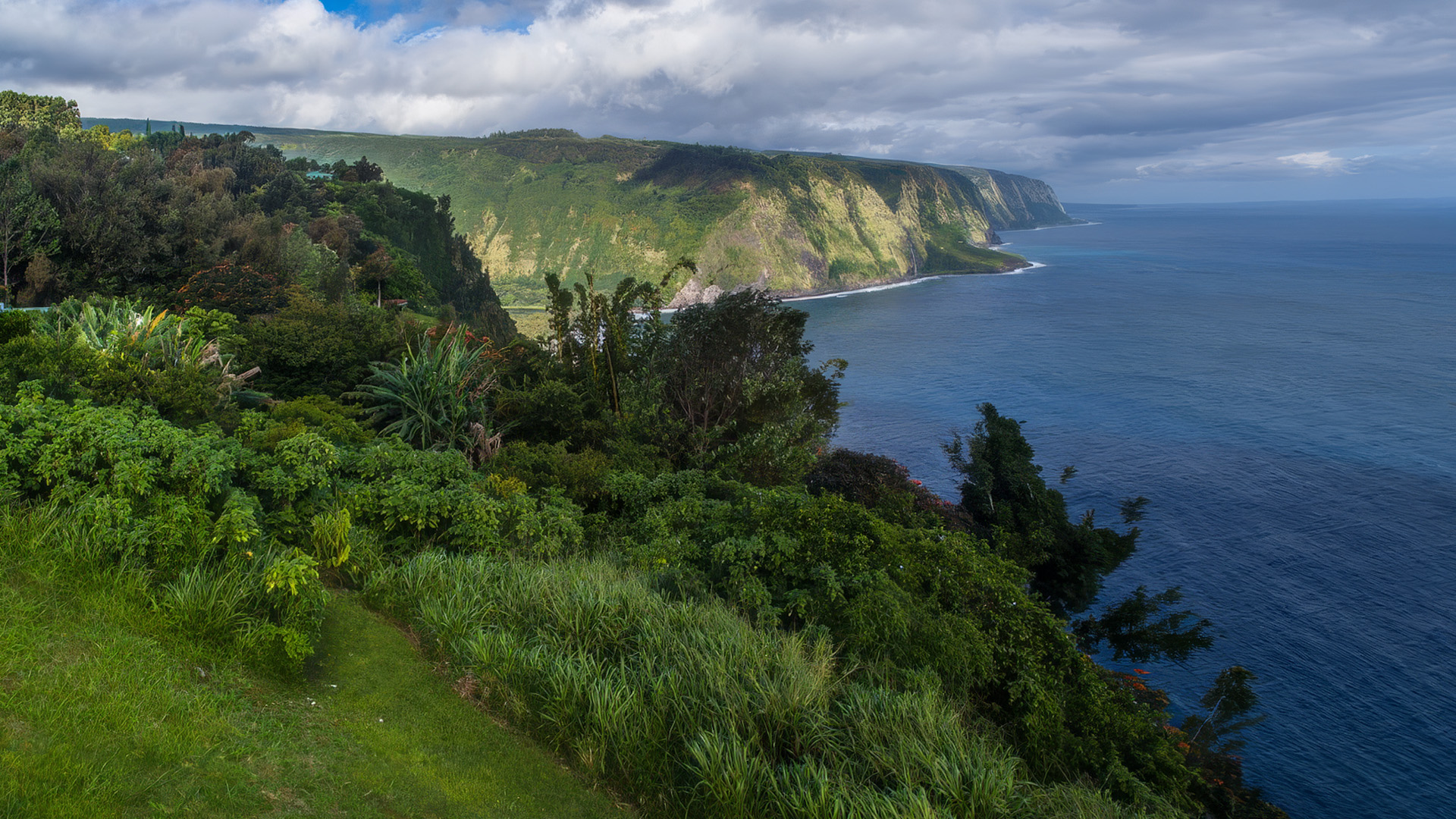
The Big Island of Hawai‘i is a year-round destination with something to offer every season—whether you’re searching for adventure, relaxation, cultural connection, or a more budget-friendly escape. While many travel blogs push one “best” time to visit, the truth is, the best time to visit the Big Island depends on what you’re looking for—and at Hale Kukui, we welcome guests all year long who each experience a different side of this incredible island.
Whether you’re traveling with family, looking to experience authentic Hawaiian celebrations, or hoping to snag better airfare and accommodations, here’s a breakdown of what makes each season worth considering—and why there’s no bad time to book your trip.
Spring (March – May): The Sweet Spot for Savings and Scenery
Spring on the Big Island offers some of the best travel deals, fewer crowds, and vibrant scenery. March is still considered part of the high season, especially during spring break, but late April and May are ideal for travelers looking for more affordable lodging and flights without sacrificing weather.
This is also an amazing time for waterfalls, as rainfall earlier in the year feeds into some of the island’s most spectacular cascades—like Akaka and Rainbow Falls. Wildflowers bloom across the hills, and trails are lush and green, making it a great time for hiking and eco-tours.
Spring is also rich in cultural significance. Merrie Monarch Festival, held in Hilo in April, is the most prestigious hula competition in the world and a powerful celebration of Hawaiian culture, music, and art. If you’re looking for an authentic cultural experience, this is the time to go.
Summer (June – August): Family Fun, Festivals, and Endless Sun
Summer is a popular time for families visiting the Big Island, and with good reason. School’s out, and the island offers endless outdoor adventures—snorkeling with manta rays, ziplining over rainforests, exploring lava tubes, and watching the stars from Mauna Kea. The weather is warm, dry, and consistent across most coastal areas, making it ideal for beach days and family excursions.
While summer can be more expensive due to demand, booking your stay early at places like Hale Kukui ensures better rates and availability for larger groups. Plus, summer brings King Kamehameha Day (June 11), a state holiday honoring the unification of the Hawaiian Islands with parades, hula, and community celebrations.
Fall (September – November): Hidden Gem Season for Affordability and Quiet
If you’re looking to avoid the crowds and enjoy some of the lowest travel costs of the year, fall is your secret weapon. September and October in particular are ideal months for budget-conscious travelers, offering warm weather, fewer tourists, and lower rates on flights and vacation rentals.
Ocean temperatures are still perfect for swimming, and the skies are often clear for stargazing at Mauna Kea. Fall is also coffee harvest season in Kona, making it the perfect time to visit farms, taste fresh-roasted beans, and explore the cultural history of this world-famous crop.
In November, the Kona Coffee Cultural Festival—the oldest food festival in Hawai‘i—offers a uniquely local experience filled with music, tastings, and educational farm tours. Fall is the best-kept secret for cultural depth and budget travel.
Winter (December – February): Whale Watching, Lava Views, and Holiday Escapes
Winter is peak travel season, especially around the holidays, but it’s also the season when the Big Island truly shines for wildlife and volcanic activity. This is the best time for whale watching, as humpback whales migrate through Hawaiian waters from late December through early April.
If lava is active, clear winter skies and cooler temps make for unforgettable nighttime lava glow viewing at Hawai‘i Volcanoes National Park. It’s also a great time to visit Waimea, where winter brings cooler upland temperatures, beautiful foggy mornings, and festive local markets.
While prices may be higher during December and early January, visiting in mid to late February can be a smart way to take advantage of dry season conditions without the holiday price spike.
So, When Is the Best Time to Visit the Big Island?
It depends on your travel style:
- Want the best deals and fewer crowds? Visit in late spring or early fall.
- Interested in cultural festivals and authentic experiences? Book around April or November.
- Traveling with kids? Summer is ideal for outdoor fun and flexibility.
- Chasing wildlife and dramatic lava views? Winter is your season.
The real answer: Any time is the best time to visit the Big Island—if you know what to look for.
At Hale Kukui, we host guests year-round who come for different reasons but leave with the same feeling: renewed, inspired, and deeply connected to the land. Whether you want sunny beaches, quiet mornings, vibrant cultural events, or bucket-list adventures, the Big Island has a season for you. And when you’re ready to relax after a day of exploring, our peaceful hideaway offers the perfect retreat no matter the month.